Because when your mouth is sore, “just eat more” is the least helpful advice on earth.
Read time: 4–5 minutes

When you’re going through cancer treatment, eating can go from “normal” to surprisingly difficult—sometimes overnight. Food may sting. Swallowing may hurt. Even water can feel irritating.
And yet nutrition still matters: it supports healing, energy, and your ability to tolerate treatment. At RevivelleCare, we believe small, thoughtful adjustments can make a meaningful difference—especially when eating becomes difficult or painful.
Start here: gentle mouth care that protects you
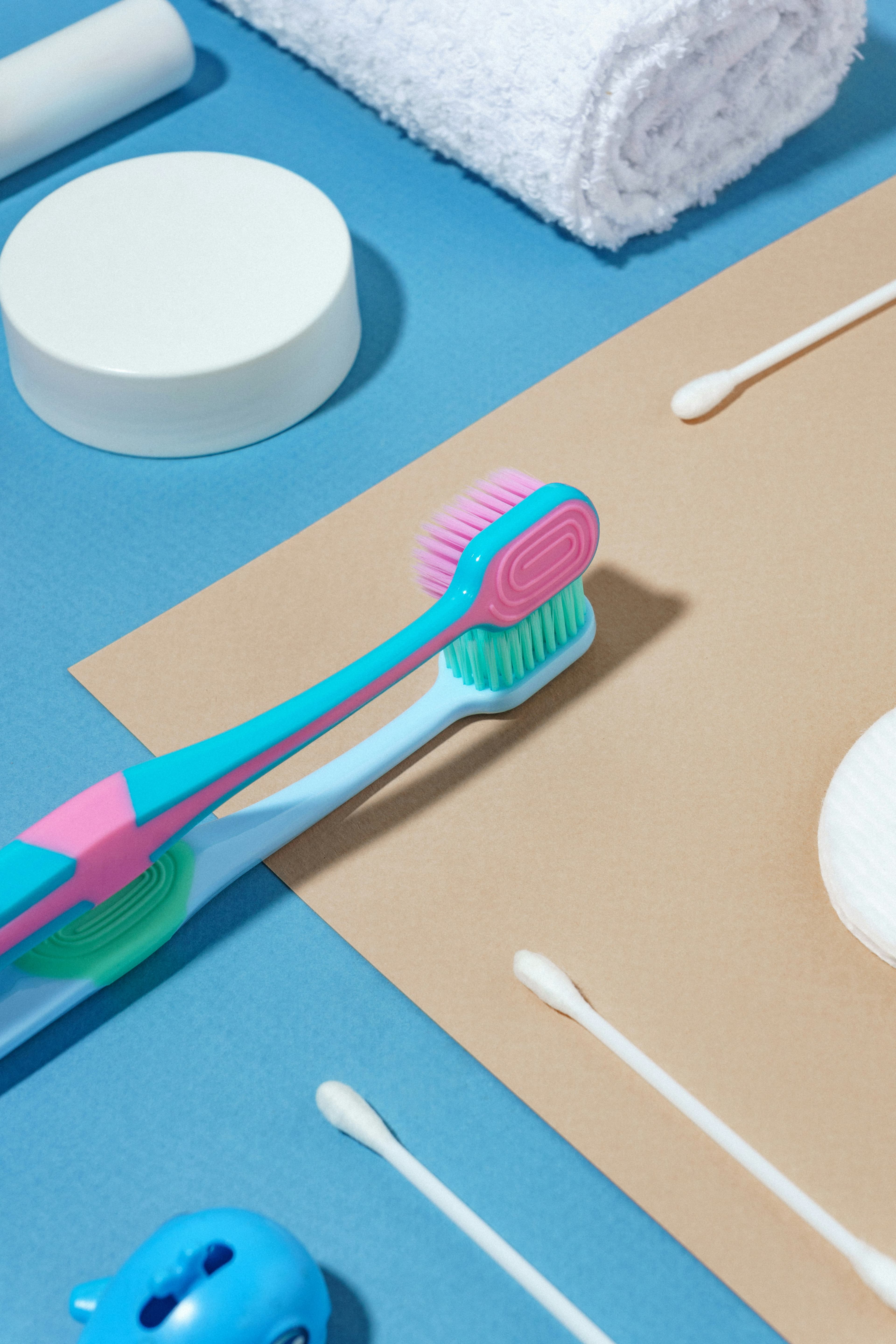
Cancer treatment can make the mouth more sensitive and more vulnerable to soreness or infection. A few small habits can help reduce irritation:
- Use an extra soft toothbrush and brush gently in circular motions. Consider getting an electric toothbrush for gentler and easier brushing.
- Choose a toothpaste that doesn’t foam too much (look for toothpastes without Sodium Lauryl Sulfate).
- Spit, don’t rinse right away after brushing—this helps fluoride stay on your teeth a little longer and helps prevent cavities.
- Make sure to visit the dentist regularly (every 3-6 months) to prevent gum infections and bleeding gums.
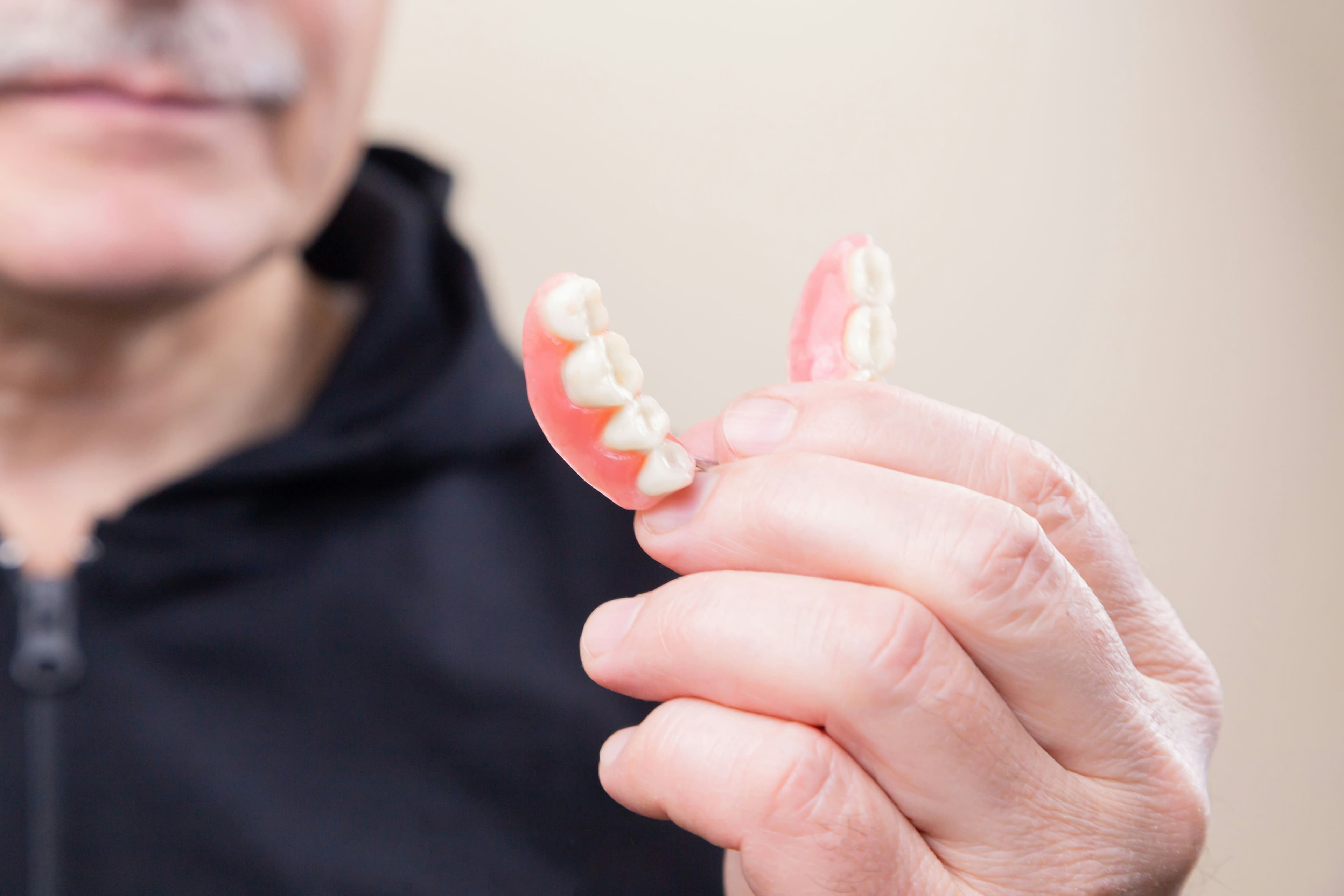
If you wear dentures:
- Clean with mild soap and water or denture cleaning paste.
- Dry them before storing overnight in a clean container.
- During radiotherapy, you may be advised to leave dentures out for a few hours daily to reduce rubbing and soreness.
If your mouth is sore, try these swaps today!
A sore mouth (mouth ulcers or mucositis) is common during chemo/radiotherapy. The goal isn’t perfect eating—it’s comfortable calories and hydration.
Soothe first:
- Sip water regularly (small sips count).
- If juice or acidic drinks sting, try milk, malted drinks, or non-acidic cordials.
- Cold foods can help: yoghurt, jelly, ice cream.
Avoid the usual suspects:
- Very hot foods/drinks
- Spicy foods
- Rough/crunchy textures (chips, crusty bread) if they scrape
Make food “slide”:
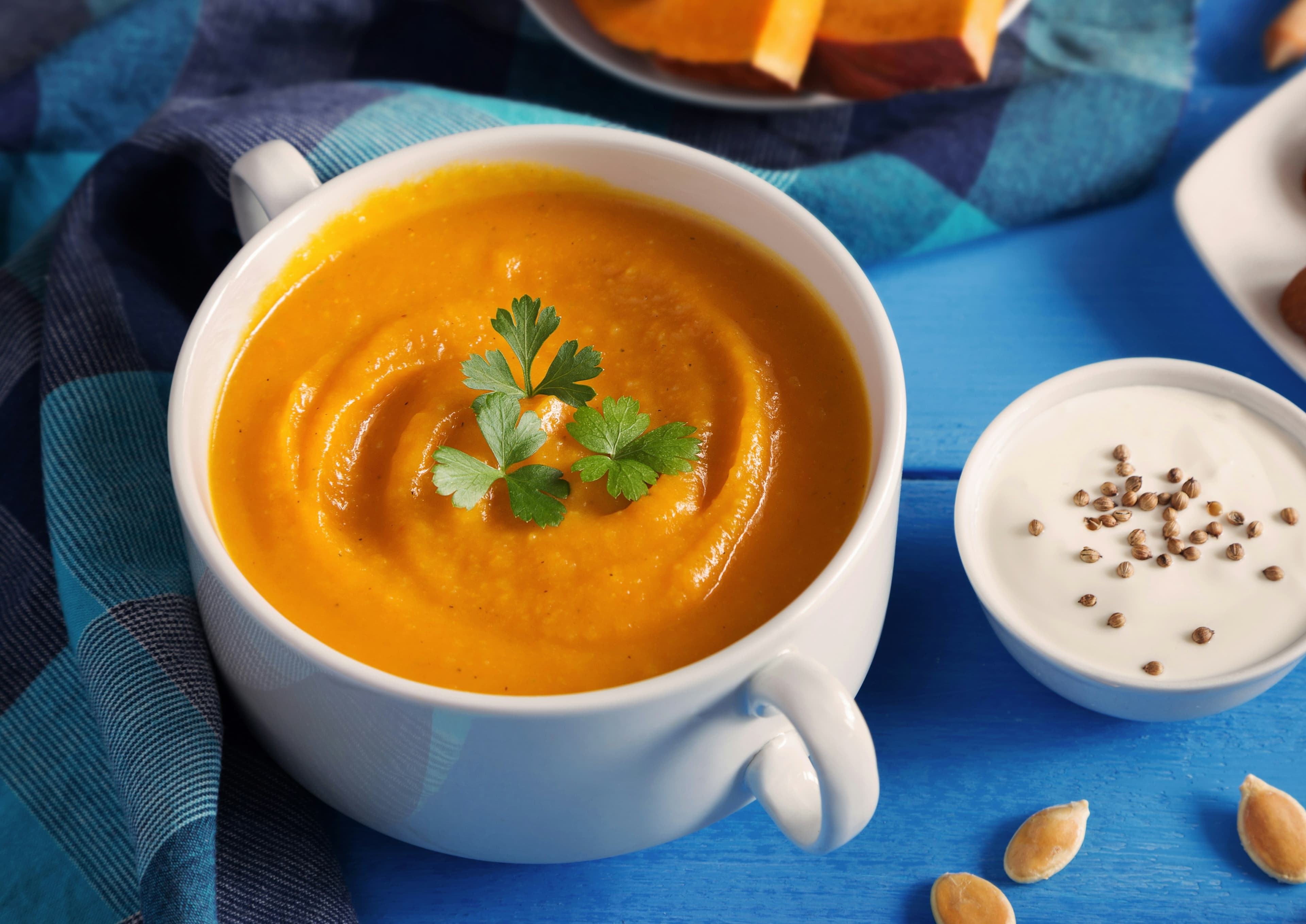
- Add sauces, gravies, soups, and yoghurt to keep meals soft and moist.
- Choose softer textures: scrambled eggs, mashed potato, porridge, smoothies.
When eating is painful, don’t “push through”
If every bite hurts, many people try to endure it silently. You don’t have to.
Ask your doctor or nurse about:
- A medicated mouth rinse
- A pain reliever taken before meals
- Treatment for possible infection (sometimes soreness worsens with thrush or inflammation)
With the right support, most people can gradually return to more comfortable eating.
The mindset shift that helps most
When your mouth hurts, the goal may need to change from “balanced meals” to:
What can I eat today that doesn’t hurt and gives my body something to work with?
That might mean a smoothie for breakfast, soup for lunch, and ice cream later. That’s not “failing nutrition.” That’s adapting.
If your mouth is sore during treatment, try:
- Cold/soft foods (yoghurt, ice cream, jelly)
- Soft + moist meals (soups, gravies, sauces)
- Non-acidic drinks if juice stings
- Gentle brushing + avoid rinsing immediately after
- Asking early about mouth rinses or pain relief
When to seek help (don’t wait)
Contact your care team if you:
- Can’t eat or drink comfortably for more than a day or two
- Are losing weight without trying
- Feel weak or unusually fatigued from eating less
- Have mouth pain that’s getting worse, not better
Nourishment is more than eating—it’s part of healing. If eating has become stressful or painful, you’re not alone, and you don’t have to figure it out by yourself. Small adjustments—and early support—can make food feel possible again.
Disclaimer: This content is for general education only and does not replace professional medical advice, diagnosis, or treatment. Your oncology team can advise what’s safest and most appropriate for your specific care plan.